

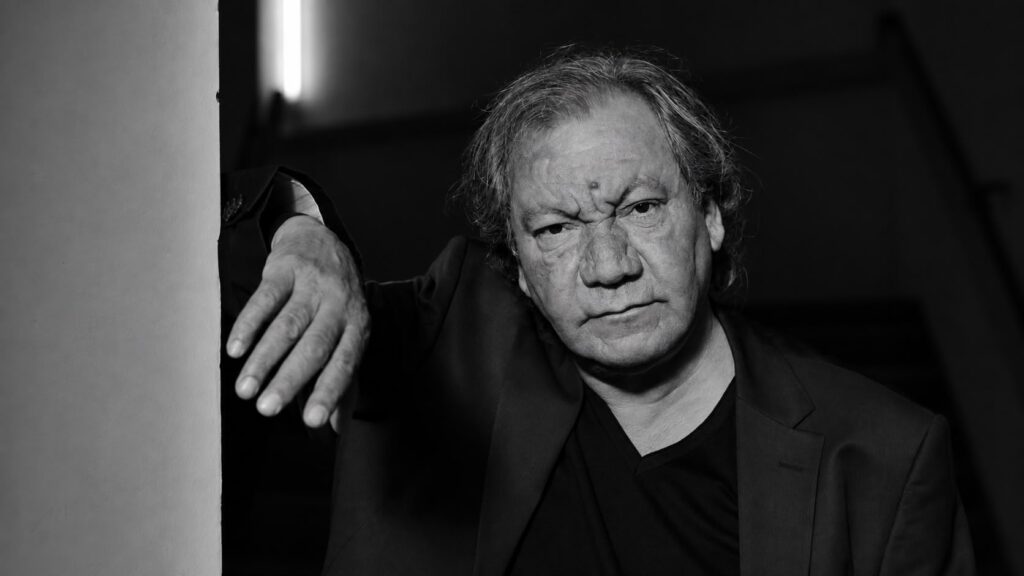
French director Tony Gatlif, who brought Romani culture, migration, exile and the search for freedom together with music, has died at the age of 77.
When Tony Gatlif comes to mind, what emerges first is not a particular cinematic genre but a world of his own. Romani melodies, roads, borders, people on the move, crowded tables, streets and characters who never quite fit anywhere… In his films, these are not independent elements. They are all fragments of a world in which the feeling of belonging is constantly questioned.
At the heart of Gatlif’s cinema lies Romani culture. Yet his films do not simply observe this culture from the outside or reduce it to a folkloric image or an exotic narrative. In exploring Romani music, dance, everyday life and history, he pursues a broader question: How can a person exist beyond an identity assigned to them by others?
Born Michel Dahmani in Algeria on 10 September 1948, Gatlif was the son of a Kabyle father and a Romani mother. He spent his childhood in Algeria and moved to France at a young age. The violence, poverty, displacement and sense of foreignness he encountered in his early life would later become central concerns of his cinema.
Yet Gatlif’s story was never limited to his own past. Drawing on his experiences, he turned toward the world of those pushed to the margins of society, those forced beyond borders, and those living between belonging somewhere and belonging nowhere completely.
For this reason, the “other” in his films is not simply a concept describing a particular community. It is also a perspective that questions whom society leaves outside and from what distance people look at one another.
Gatlif did not treat Roma, migrants, exiles and displaced people merely as characters to be represented. He also carried the rhythm, sound and everyday life of their worlds into the form of his cinema. The movement of his camera, following the rhythm of streets and bodies, is part of this approach. In his films, the camera rarely observes characters from a distance; it moves with them and participates in the life surrounding them.
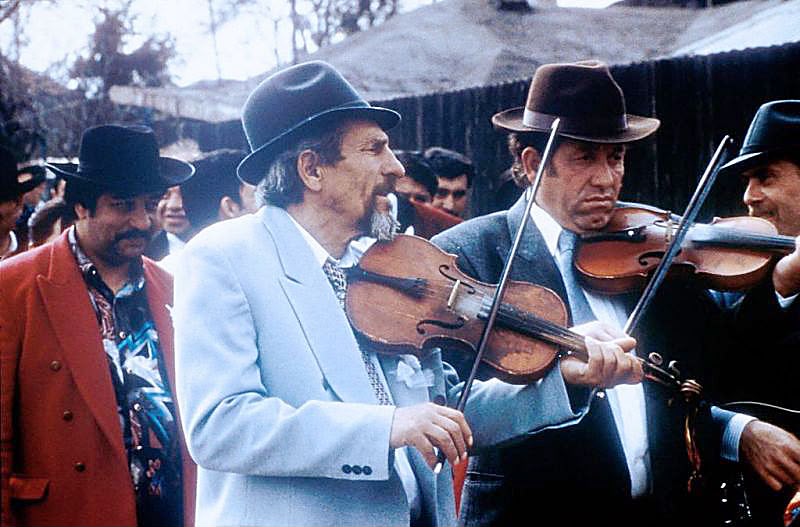
And then there is music…
In Gatlif’s cinema, music is not simply a soundtrack standing behind the image. Romani melodies, flamenco, rebetiko and the sounds of North Africa become direct parts of the story. At times, music carries emotions that characters cannot express; at others, it makes the memory of a community visible. When words are insufficient, music moves to the forefront of the narrative.
Yet the central role of music is also one of the most debated aspects of Gatlif’s cinema. His use of music, dance and movement to make Romani culture visible brings its memory and voice to the centre of cinema; on the other hand, it has also been criticised for potentially softening experiences such as poverty, discrimination, migration and exclusion within an aesthetic atmosphere. When pain is made beautiful through music and dance, the audience may perceive the reality before them not as it is, but as a romantic or exotic experience.
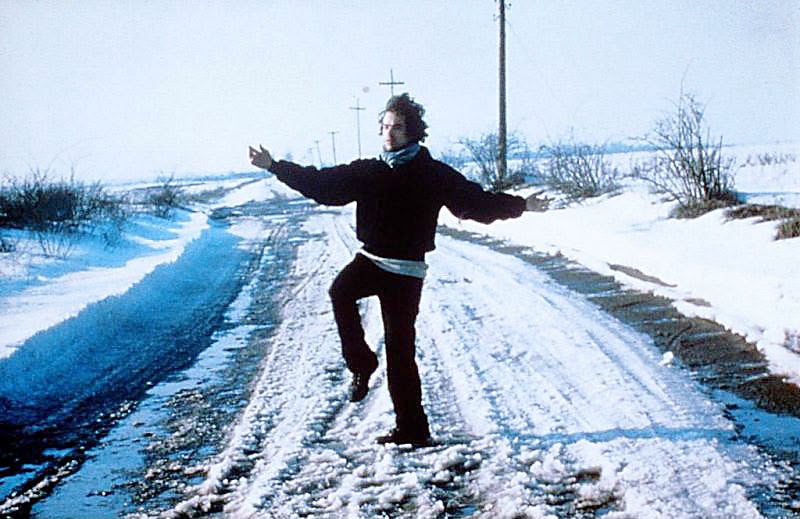
From this perspective, Gatlif’s cinema exists on a fine line between making the other visible and exoticising them. His attempt to portray Romani life through its own cultural elements can be read as an effort to move beyond viewing Roma simply as a community observed from the outside. Yet this world is ultimately still seen through the director’s camera. His films therefore make Romani stories visible while also raising the question of whose perspective shapes those stories.
This tension becomes particularly clear in his use of music. For Gatlif, music is not a background element but a narrative form in its own right, carrying the memory of characters and communities. For this reason, the fact that music sometimes takes precedence over cinematic narration cannot simply be considered a weakness; it can also be read as a deliberate aesthetic choice. Yet this choice leaves open the question of when music remains the voice of a culture and when it becomes an aesthetic spectacle for the audience.
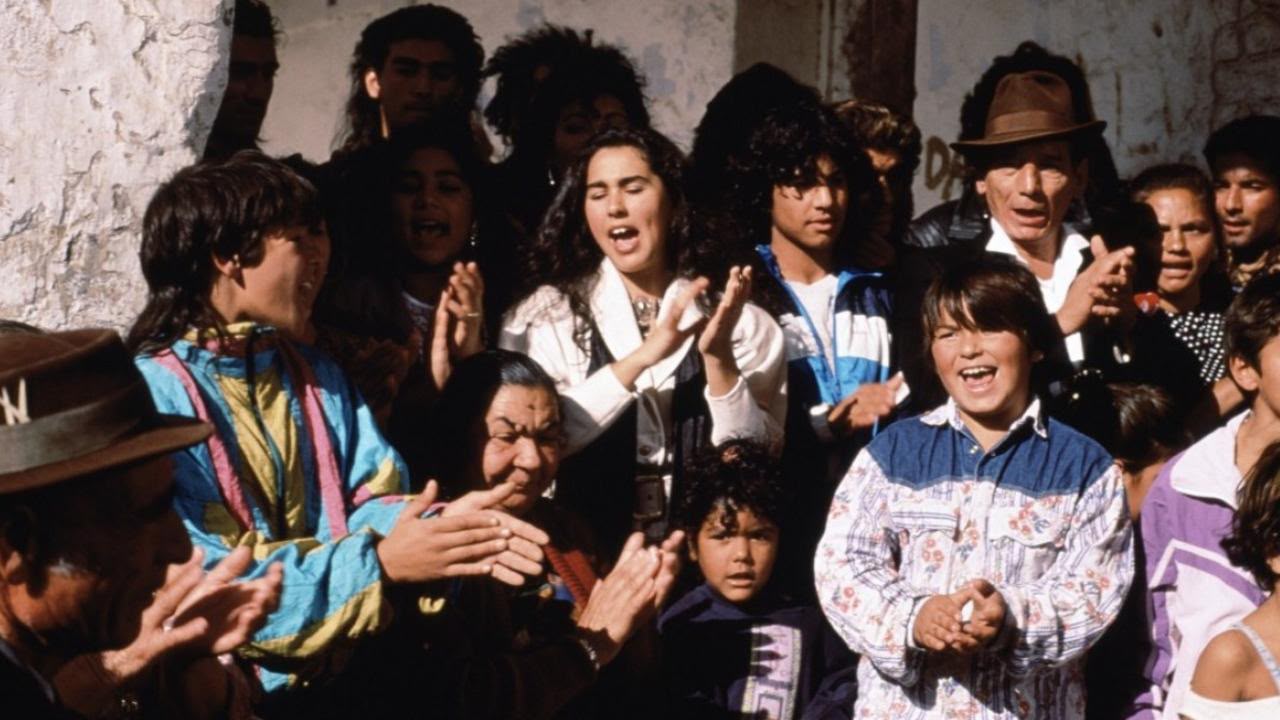
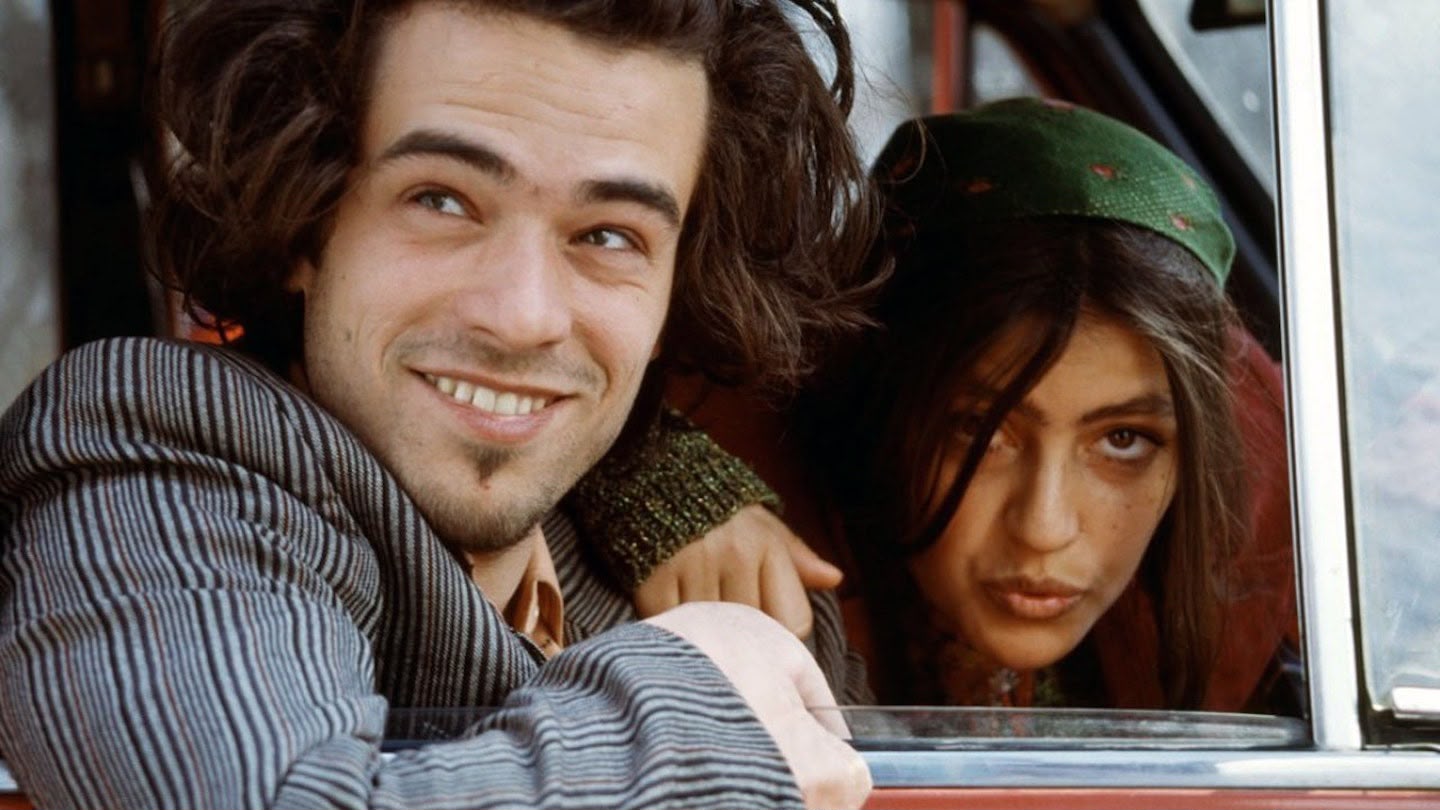
The 1993 film Latcho Drom is one of the strongest examples of this cinematic approach. The film traces the cultural journey of the Roma from India to Europe through music, dance and images rather than dialogue. Geographies change, languages and faces change; yet cultural memory continues its journey through music.
This is also where a fundamental distinction in Gatlif’s approach to Romani culture emerges. He attempts to portray Roma not simply as an “other” observed from the outside, but as part of a living culture with its own memory, language, music and everyday life. Yet this approach does not completely eliminate the possibility of exoticisation. On the contrary, it makes the question of when making a culture visible can turn it into an aesthetic object even more important.
One of the strongest examples of this approach is the 1997 film Gadjo Dilo. Through the story of a young French man who arrives in a Romani community in Romania, the film explores foreignness, cultural distance and encounter. The “gadjo” at the centre of the film, meaning a non-Romani outsider, tries to understand a community while also confronting his own prejudices.
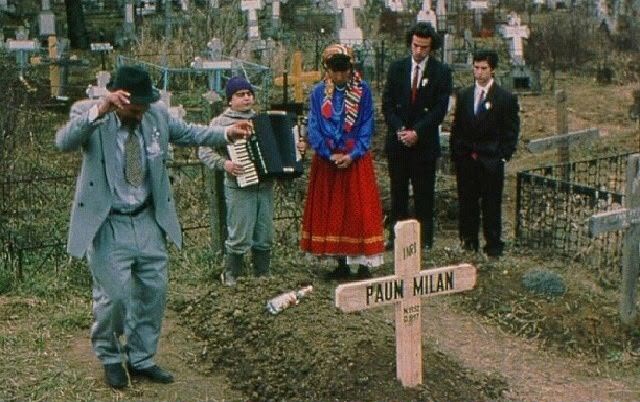
Here, Gatlif does not simply tell the story of a community. He also questions the audience’s gaze. The person attempting to understand the other is eventually forced to recognise their own position and prejudices. Yet questioning the audience’s gaze also requires questioning the director’s own gaze. Approaching another culture does not make the camera of the person representing it invisible.
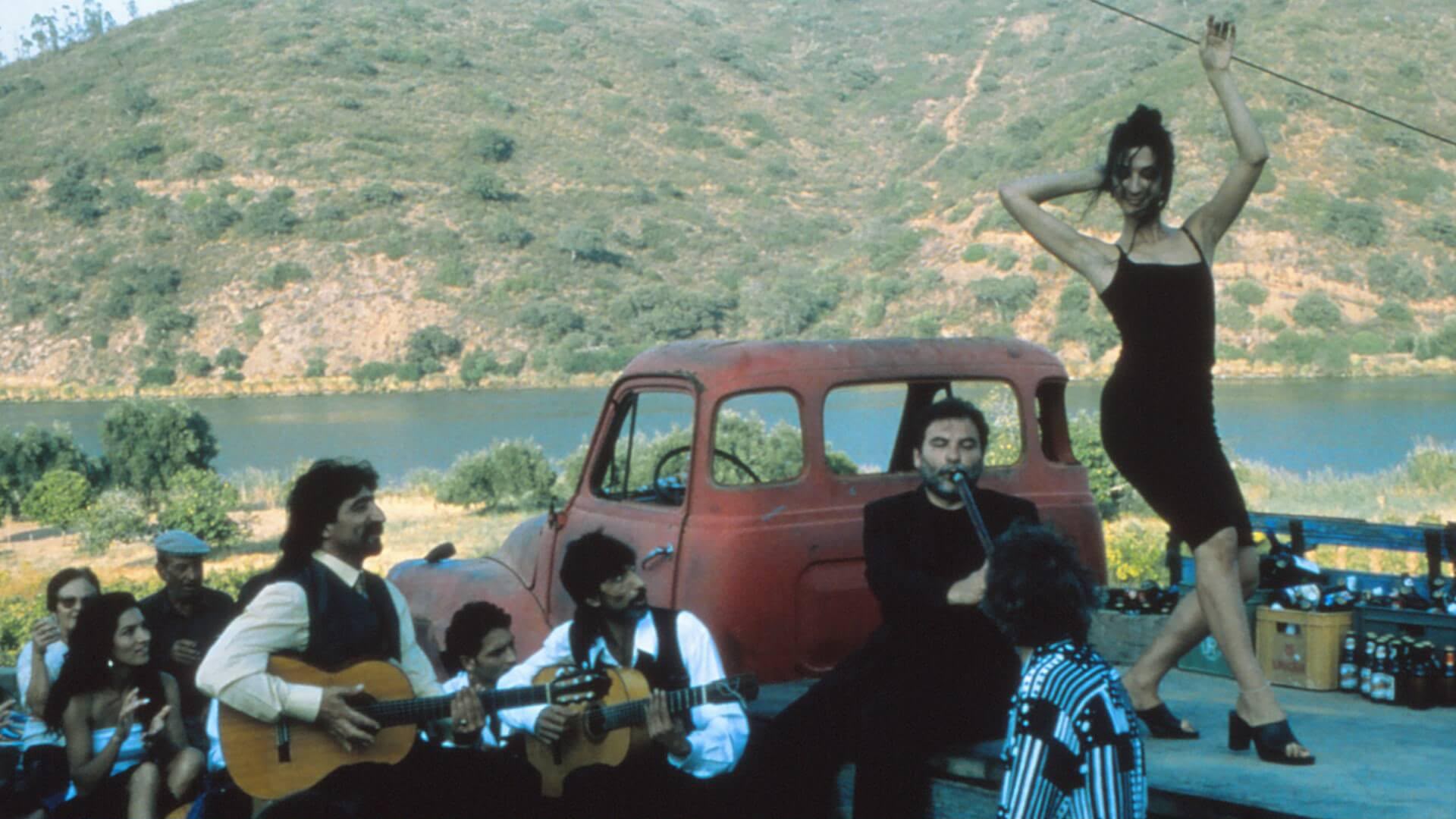
Vengo, released in 2000, is one of the films in which the director turns toward the world of Andalusia and flamenco. Bringing death, mourning, family and revenge together with music and dance, the film does not use flamenco merely as a cultural spectacle. The movement of the body becomes an expression of emotions suppressed by the characters.
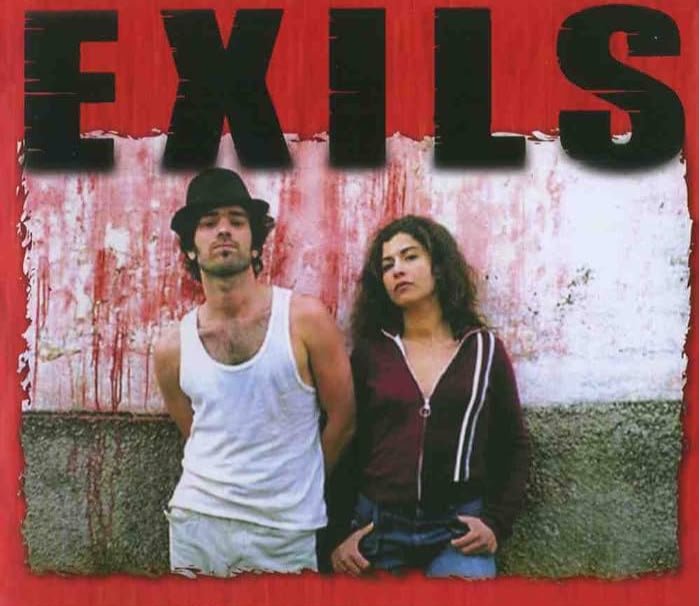
Exils, released in 2004, is one of the films more directly connected to Gatlif’s own past. The story of two young people travelling from Paris to Algeria explores the idea of return. Yet this return is not simply a desire to go home. Sometimes a person moves toward a feeling of belonging not to the place where they were born, but to a past they have never known.
Throughout this journey, Gatlif’s camera follows not only geography but memory. Exploring the relationship between identity and place of birth, Exils earned the director the Best Director Award at the 2004 Cannes Film Festival.
Gatlif’s cinema looks not only at the people of today but also at those whose stories have not been sufficiently told by history.
His 2009 film Liberté tells the story of Roma subjected to Nazi persecution during the Second World War. The film focuses on a part of European history that remained insufficiently visible for a long time and places the persecution of Roma within historical memory. Here, Gatlif uses cinema not only as a form of storytelling but also as a space for making forgotten or marginalised stories visible again.
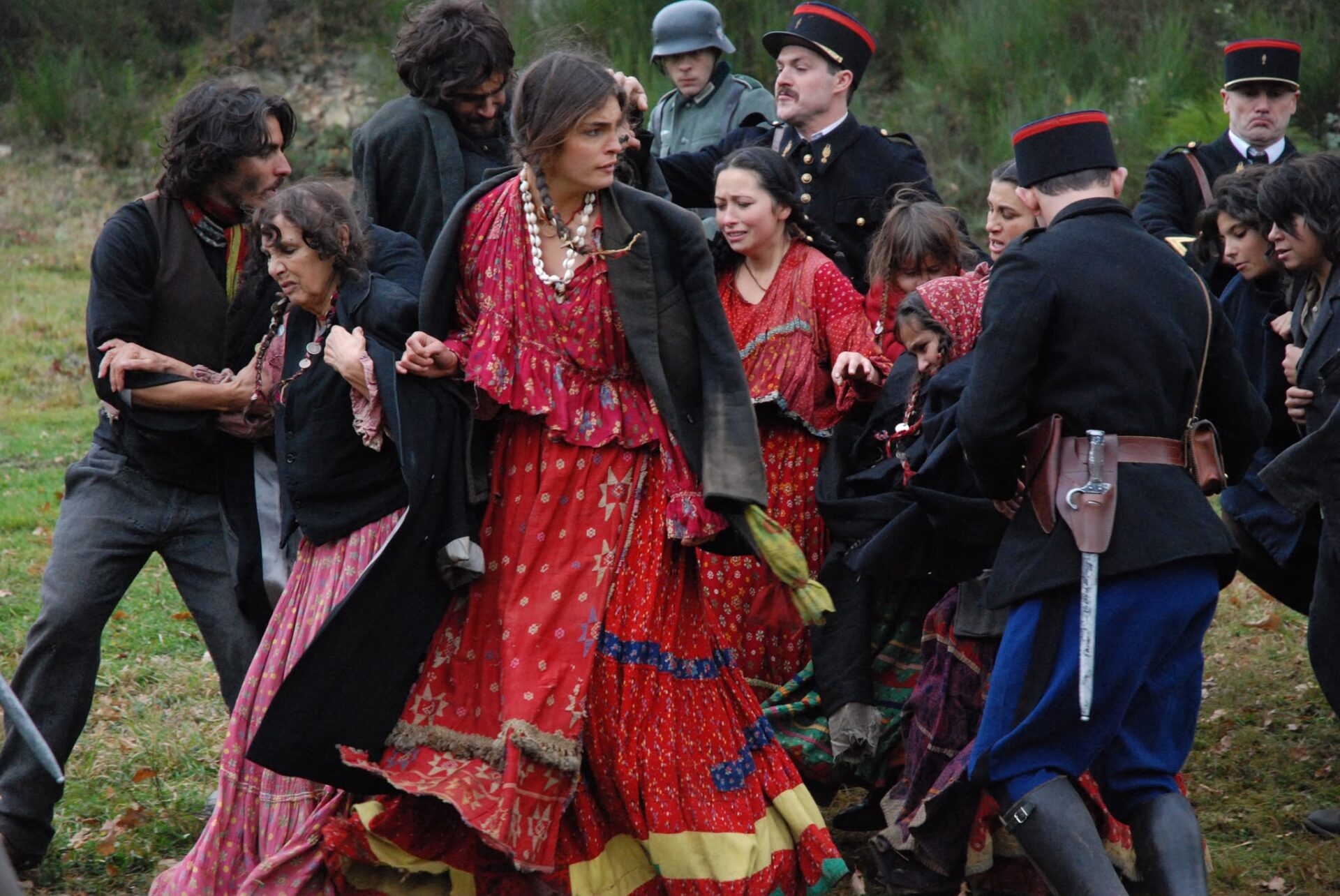
Yet making historical pain visible is only one part of the issue; how that pain is represented is equally important. Aestheticising suffering can bring it closer to the audience, but it can also soften the harshness of the reality itself. One of the tensions within Gatlif’s cinema emerges precisely here: at the boundary between making suffering visible and making it beautiful.
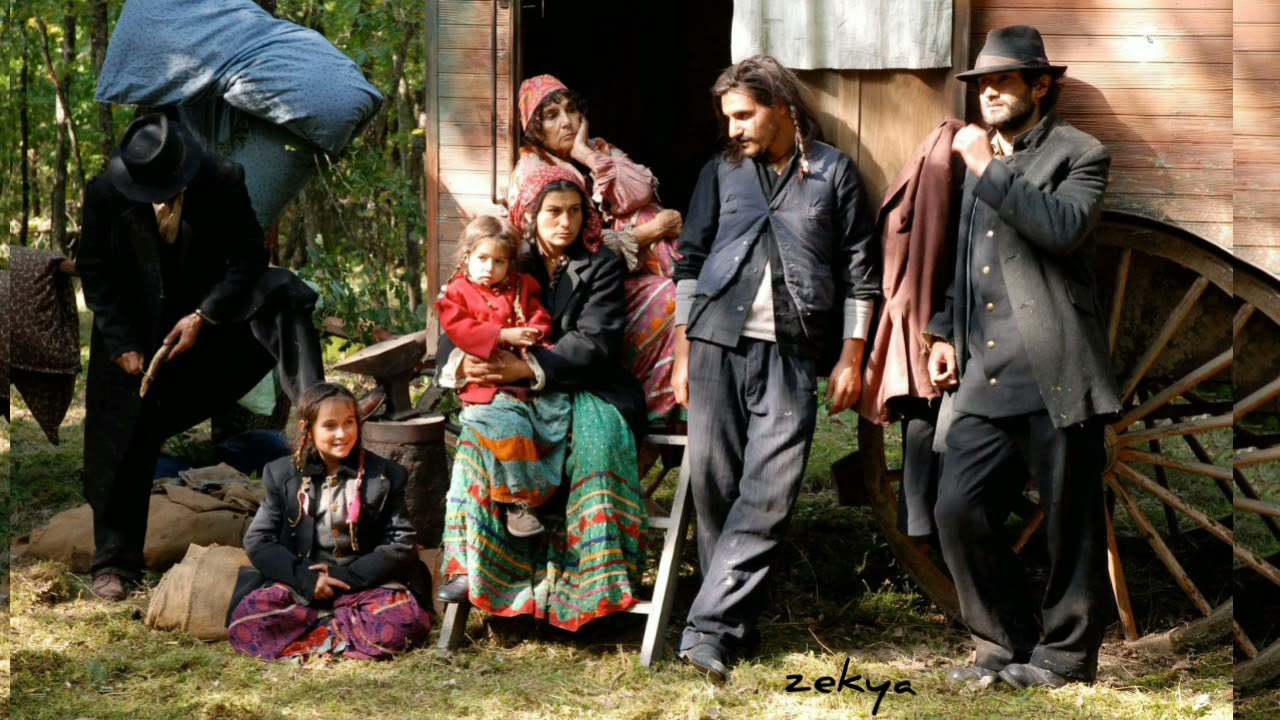
Djam, released in 2017, moves Gatlif’s world from Greece to Istanbul. Accompanied by rebetiko, the film intertwines the sea, cities and roads with feelings of loss, freedom and solidarity. Istanbul becomes not so much a final destination as a space where different cultures come into contact.
Because in Gatlif’s films, the road is not merely a form of geographical movement. As characters travel from one place to another, they carry their pasts with them. Journeying is therefore both a geographical and a personal experience in his cinema.
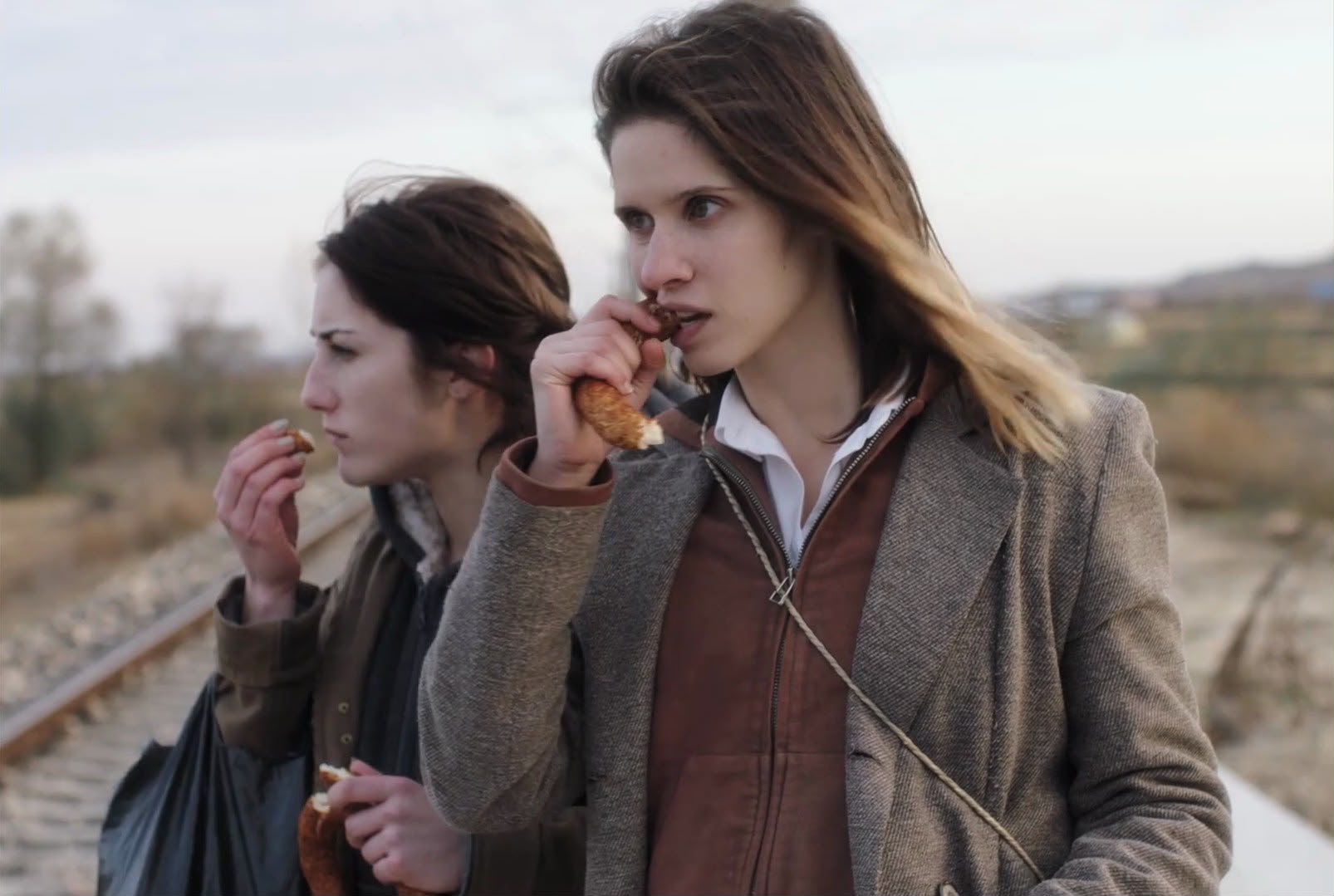
Leaving a place does not mean escaping the past. On the contrary, it often brings a person face to face with that past once again.
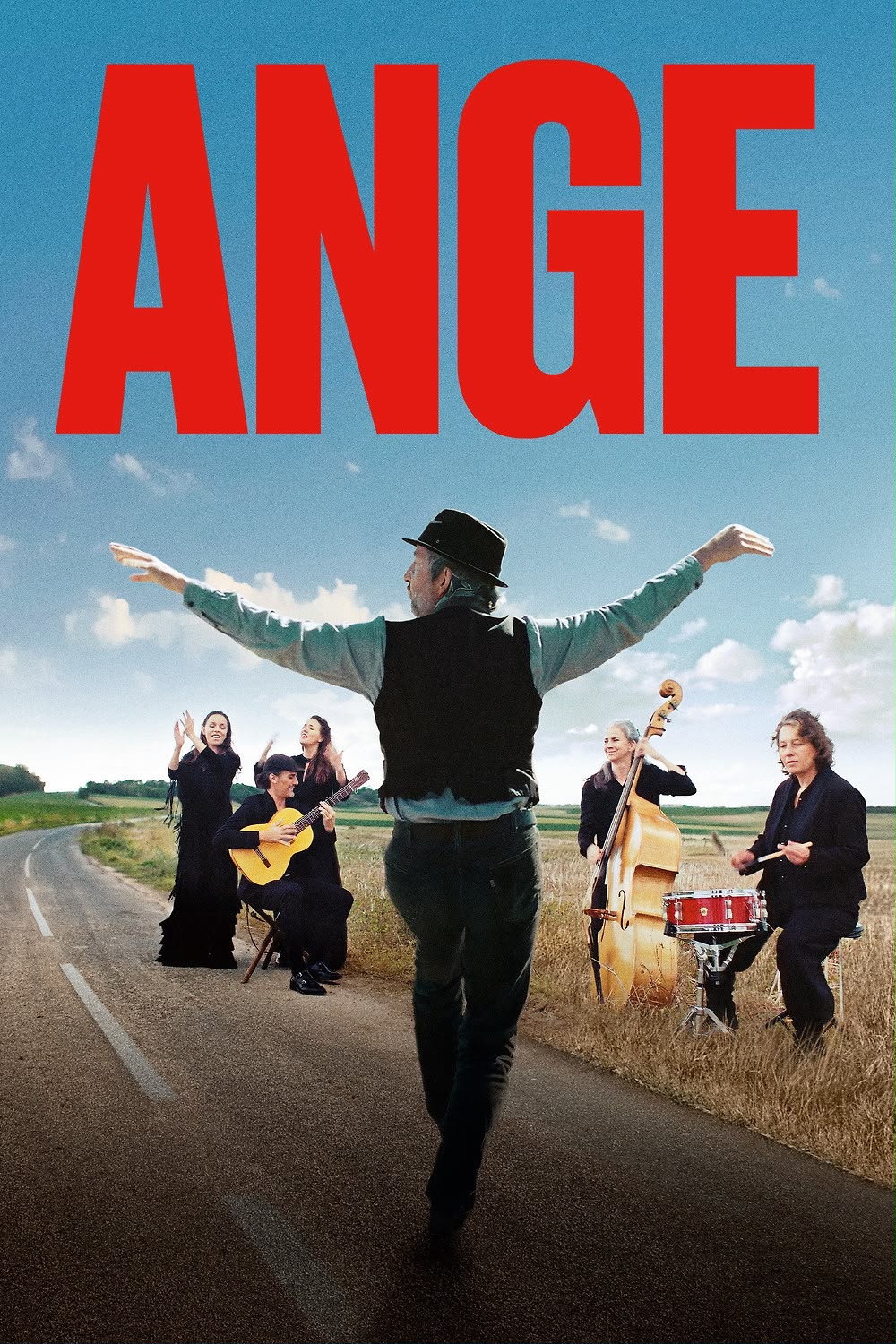
Tony Gatlif died at the age of 77 while working on a historical film project in Arles, following a health problem. He left behind a long cinematic career stretching from 1975 to 2025 and a filmography of 25 feature films. His final film, Ange, was released in 2025.
Yet remembering Gatlif only as a director who portrayed Roma would narrow the scope of his cinema. He began with Romani culture, but his deeper concern was the right of a person to define themselves.
Who decides who a person is?
States? Borders? Documents? Places of birth?
Gatlif’s films do not offer a single answer to these questions. Instead, they suggest that identity is not a fixed and unchanging definition. Memory, language, music, the body, the past and personal experience are also parts of the way a person constructs themselves.
There are borders in his cinema, but borders are never the final word.
Maps can divide countries. Documents can classify identities. Societies can create distinctions between “us” and “them”. Gatlif places music, movement and human stories against all these divisions. Yet music and movement are not neutral either; they too pass through a particular gaze.
Perhaps this contradiction is precisely what makes his cinema lasting. Gatlif does not try to erase differences; he makes them visible. Yet the act of making something visible is itself open to debate. Telling the story of a culture does not necessarily mean understanding it; representing suffering aesthetically does not always convey the full weight of that suffering to the audience.
From Romani melodies to flamenco, from rebetiko to the sounds of North Africa, his cinema portrays cultures not as isolated worlds but as lives that come into contact with and transform one another. In this sense, Gatlif’s cinema opens a powerful space for imagining different forms of coexistence. At the same time, it forces us to consider who represents these differences, how they are represented and through which aesthetic tools.
What remains after Tony Gatlif is not only the work of one of the strong representatives of Romani culture in cinema. What remains is also a powerful cinematic language built around identity, migration, belonging and borders, carried by music and movement.
In his cinema, what matters is not only where the journey leads, but what is remembered along the way and how that journey is seen.
The Zamansız app


Zamansız Editör Kolektifi more from this author
Arts & Culture
IOANNA KUCURADI:A LIFE DEVOTED TO PHILOSOPHY
5 October 2026
Arts
BREAKING FROM WITHIN: AN INTERVIEW WITH OMER EKEN
19 September 2026

Arts
FROM WITHIN THE INVISIBLE : AN INTERVIEW WITH DELAL TEKIN
7 September 2026
Latest
Arts
IN THE FOOTSTEPS OF ART: MEMORY, NATURE, ROOTS AND TRANSFORMATION AN INTERVIEW WITH FIRAT BINGOL
1 October 2026

Art Review
Batik Aesthetics and the Intersections of Contemporary Art in Erhan Şanal’s Portraits
15 September 2026

Essays
Mental Essays–4: The Empire of Algorithms
4 September 2026